• Biodiversity
    • Why is Biodiversity Important?
    • Threats to Biodiversity
    • What are Species at Risk?
    • Recovery Planning
    • Environmental Monitoring
  • Species at Risk
    • Species at Risk
      • SAR in the Sydenham
      • Mussels
      • Fishes
      • Snakes
      • Turtles
    • Mussels
      • Eastern Pondmussel
      • Fawnsfoot
      • Kidneyshell
      • Lilliput
      • Mapleleaf
      • Northern Riffleshell
      • Purple Wartyback
      • Rainbow
      • Rayed Bean
      • Round Hickorynut
      • Round Pigtoe
      • Salamander Mussel
      • Snuffbox
      • Threehorn Wartyback
      • Wavy-rayed Lampmussel
    • Fishes
      • Blackstripe Topminnow
      • Eastern Sand Darter
      • Grass Pickerel
      • Northern Madtom
      • Northern Sunfish
      • Pugnose Minnow
      • Pugnose Shiner
      • River Darter
      • Silver Lamprey
      • Spotted Sucker
    • Snakes
      • Eastern Foxsnake
      • Eastern Hog-nosed Snake
      • Eastern Milksnake
    • Turtles
      • Blanding’s Turtle
      • Midland Painted Turtle
      • Northern Map Turtle
      • Snapping Turtle
      • Spiny Softshell
  • Stewardship
    • Healthy Watersheds Program
      • Sydenham Phosphorus Reduction Initiative
    • Managing Phosphorus
    • Phosphorus StoryMap
    • Reducing Pollution in Runoff
    • Best Management Practices Resources
  • Stories
  • Get Involved
    • What Can I Do?
    • Take the Stewardship Survey
    • Test Your ID Skills!
    • Report a Turtle Sighting
  • Resources
  • Contact Us
Sydenham River WatershedSydenham River Watershed
  • Biodiversity
    • Why is Biodiversity Important?
    • Threats to Biodiversity
    • What are Species at Risk?
    • Recovery Planning
    • Environmental Monitoring
  • Species at Risk
    • Species at Risk
      • SAR in the Sydenham
      • Mussels
      • Fishes
      • Snakes
      • Turtles
    • Mussels
      • Eastern Pondmussel
      • Fawnsfoot
      • Kidneyshell
      • Lilliput
      • Mapleleaf
      • Northern Riffleshell
      • Purple Wartyback
      • Rainbow
      • Rayed Bean
      • Round Hickorynut
      • Round Pigtoe
      • Salamander Mussel
      • Snuffbox
      • Threehorn Wartyback
      • Wavy-rayed Lampmussel
    • Fishes
      • Blackstripe Topminnow
      • Eastern Sand Darter
      • Grass Pickerel
      • Northern Madtom
      • Northern Sunfish
      • Pugnose Minnow
      • Pugnose Shiner
      • River Darter
      • Silver Lamprey
      • Spotted Sucker
    • Snakes
      • Eastern Foxsnake
      • Eastern Hog-nosed Snake
      • Eastern Milksnake
    • Turtles
      • Blanding’s Turtle
      • Midland Painted Turtle
      • Northern Map Turtle
      • Snapping Turtle
      • Spiny Softshell
  • Stewardship
    • Healthy Watersheds Program
      • Sydenham Phosphorus Reduction Initiative
    • Managing Phosphorus
    • Phosphorus StoryMap
    • Reducing Pollution in Runoff
    • Best Management Practices Resources
  • Stories
  • Get Involved
    • What Can I Do?
    • Take the Stewardship Survey
    • Test Your ID Skills!
    • Report a Turtle Sighting
  • Resources
  • Contact Us

Lilliput

Home Species at Risk in the SydenhamMusselsLilliput

Lilliput

Toxolasma parvum

COSEWIC: Endangered
SARA: Endangered
COSSARO: Threatened
SARO: Threatened

Species Description

A small, rare mussel, on average, Lilliput grow to a mere 25mm and have a thick, oval to egg-shaped shell. Juveniles are often a pale shade of yellow to gray, becoming darker as they age, adults are brown to black. The periostracum (skin-like outermost layer of the mussel shell) is smooth and dull, almost cloth-like in appearance. They live to a maximum age of 12 years.

Picture of a lilliput mussel in a hand, a small, inflated, dark brown mussel

Lifecycle

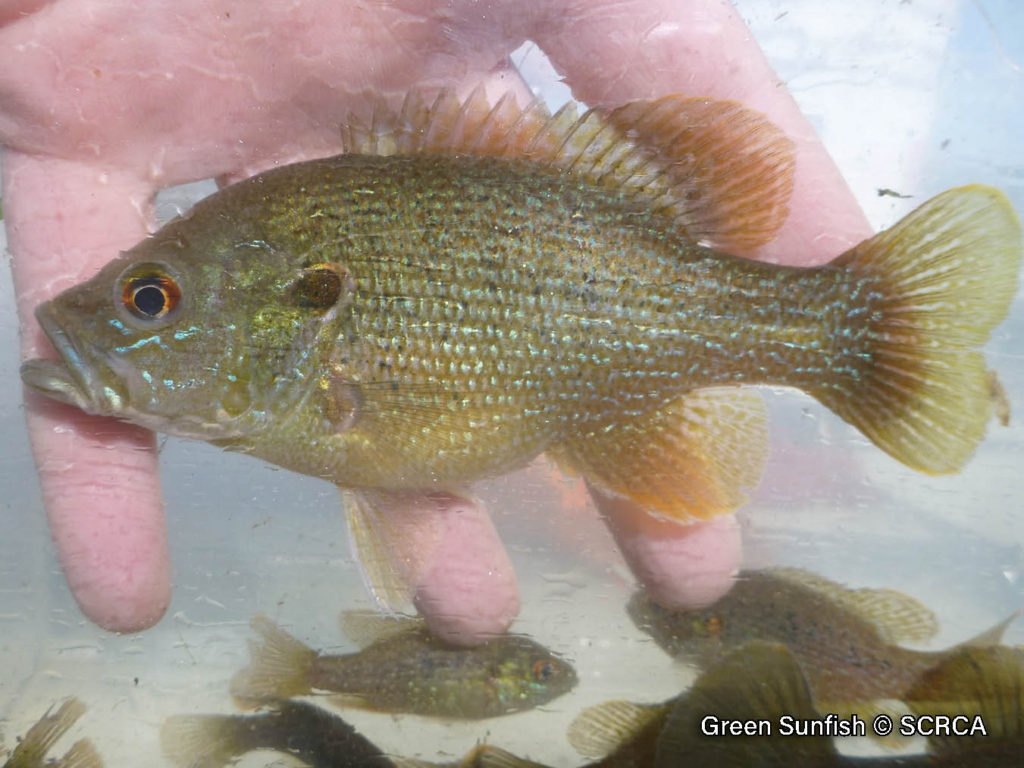
As with all mussels native to the Sydenham River, a host fish is required to complete their life cycle. Lilliput release white, club-shaped conglutinates (mucous packages filled with glochidia) that look like prey items to potential host fishes. Lilliput hosts are not well studied but there are four suspected host species known to frequent the Sydenham River’s waters: Bluegill, Green Sunfish, White Crappie, and Johnny Darter.

Habitat

They are known to occur in a variety of habitats including small to large rivers, ponds and wetlands and can be found in softer substrates such as mud, sand, and fine gravel.

Picture of a handful of lilliput mussels, a small, inflated, dark brown mussel

Lilliput in the Sydenham

Despite targeted surveys over the last few decades, Lilliput has only been detected in the Sydenham watershed on three occasions since 1967, in 1991, 2011, and 2017. The 1991 record from the Sydenham was the first live Lilliput documented in Canada (the first shells in Canada were found in 1913). In 2011, seven individuals were detected at one site on the East Branch and the most recent observation, in 2017, was a live Lilliput surveyed on the North Branch of the Sydenham.

The Sydenham watershed contains critical habitat for the Lilliput, which means that habitat in the Sydenham is considered “necessary for the survival or recovery” of this Species at Risk.

Threats to Lilliput

Many of the major threats Lilliput face are not unique to the species and are known to affect the greater mussel community. Sedimentation, pollution, nutrient loading and exposure to contaminants and toxins are among the most impactful. Turbid (cloudy) waters can decrease visibility, preventing potential host fish from locating the Lilliput and studies have shown that freshwater mussel glochidia and juveniles are very susceptible to fertilizer and pesticide run-off, road salts and heavy metals that enter the waters through industry and human activity.

Mussels at Risk

  • SAR in the Sydenham
  • Mussels
    • Eastern Pondmussel
    • Fawnsfoot
    • Kidneyshell
    • Lilliput
    • Mapleleaf
    • Northern Riffleshell
    • Purple Wartyback
    • Rainbow
    • Rayed Bean
    • Round Hickorynut
    • Round Pigtoe
    • Salamander Mussel
    • Snuffbox
    • Threehorn Wartyback
    • Wavy-rayed Lampmussel
  • Fishes
  • Snakes
  • Turtles
Test Your ID Skills!
Check out our latest newsletter! Download

© 2026 · St. Clair Region Conservation Authority - The Sydenham River Watershed

  • Privacy

Press Enter to search · Esc to close