

• Biodiversity
    • Why is Biodiversity Important?
    • Threats to Biodiversity
    • What are Species at Risk?
    • Recovery Planning
    • Environmental Monitoring
  • Species at Risk
    • Species at Risk
      • SAR in the Sydenham
      • Mussels
      • Fishes
      • Snakes
      • Turtles
    • Mussels
      • Eastern Pondmussel
      • Fawnsfoot
      • Kidneyshell
      • Lilliput
      • Mapleleaf
      • Northern Riffleshell
      • Purple Wartyback
      • Rainbow
      • Rayed Bean
      • Round Hickorynut
      • Round Pigtoe
      • Salamander Mussel
      • Snuffbox
      • Threehorn Wartyback
      • Wavy-rayed Lampmussel
    • Fishes
      • Blackstripe Topminnow
      • Eastern Sand Darter
      • Grass Pickerel
      • Northern Madtom
      • Northern Sunfish
      • Pugnose Minnow
      • Pugnose Shiner
      • River Darter
      • Silver Lamprey
      • Spotted Sucker
    • Snakes
      • Eastern Foxsnake
      • Eastern Hog-nosed Snake
      • Eastern Milksnake
    • Turtles
      • Blanding’s Turtle
      • Midland Painted Turtle
      • Northern Map Turtle
      • Snapping Turtle
      • Spiny Softshell
  • Stewardship
    • Healthy Watersheds Program
      • Sydenham Phosphorus Reduction Initiative
    • Managing Phosphorus
    • Phosphorus StoryMap
    • Reducing Pollution in Runoff
    • Best Management Practices Resources
  • Stories
  • Get Involved
    • What Can I Do?
    • Take the Stewardship Survey
    • Test Your ID Skills!
    • Report a Turtle Sighting
  • Resources
  • Contact Us
Sydenham River WatershedSydenham River Watershed
  • Biodiversity
    • Why is Biodiversity Important?
    • Threats to Biodiversity
    • What are Species at Risk?
    • Recovery Planning
    • Environmental Monitoring
  • Species at Risk
    • Species at Risk
      • SAR in the Sydenham
      • Mussels
      • Fishes
      • Snakes
      • Turtles
    • Mussels
      • Eastern Pondmussel
      • Fawnsfoot
      • Kidneyshell
      • Lilliput
      • Mapleleaf
      • Northern Riffleshell
      • Purple Wartyback
      • Rainbow
      • Rayed Bean
      • Round Hickorynut
      • Round Pigtoe
      • Salamander Mussel
      • Snuffbox
      • Threehorn Wartyback
      • Wavy-rayed Lampmussel
    • Fishes
      • Blackstripe Topminnow
      • Eastern Sand Darter
      • Grass Pickerel
      • Northern Madtom
      • Northern Sunfish
      • Pugnose Minnow
      • Pugnose Shiner
      • River Darter
      • Silver Lamprey
      • Spotted Sucker
    • Snakes
      • Eastern Foxsnake
      • Eastern Hog-nosed Snake
      • Eastern Milksnake
    • Turtles
      • Blanding’s Turtle
      • Midland Painted Turtle
      • Northern Map Turtle
      • Snapping Turtle
      • Spiny Softshell
  • Stewardship
    • Healthy Watersheds Program
      • Sydenham Phosphorus Reduction Initiative
    • Managing Phosphorus
    • Phosphorus StoryMap
    • Reducing Pollution in Runoff
    • Best Management Practices Resources
  • Stories
  • Get Involved
    • What Can I Do?
    • Take the Stewardship Survey
    • Test Your ID Skills!
    • Report a Turtle Sighting
  • Resources
  • Contact Us

Lambton County Phragmites Removal Project

Home Invasive SpeciesLambton County Phragmites Removal Project
Picture of a dense stand of invasive Phragmites, a tall reed grass with large feather-like seed heads
Phragmites australis is a tall reed grass from Eurasia that once introduced in an area can quickly dominate the vegetation communities and form dense stands that are impenetrable to wildlife. This cuts wildlife off from habitat that they would previously use to breed, forage, or hibernate. “Phrag” (as it is often called) spreads by both seeds and rhizomes. It is also allelopathic, meaning its roots release chemicals into the soil that prevents the growth of other plant species (photo credit: SCRCA).

Lambton County Phragmites Removal Project

Are you a Lambton County resident with Phragmites on your property?


The St. Clair Region Conservation Authority has a cost-sharing program to help Lambton County residents with the control and eradication of the non-native species, Phragmites australis, from their properties.
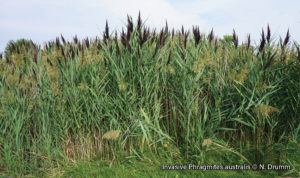
Picture of a dense stand of the Invasive Phragmites australis, a tall reed grass with large, feather-like seed heads.

Please reach out to Jeff Sharp, Manager of Conservation Services, [email protected], 519-245-3710 ext. 217, if you would like to discuss control efforts.

This project is being undertaken with support from the Invasive Species Centre and in partnership with the Invasive Phragmites Control Centre and Ausable Bayfield CA.


What is Phragmites?
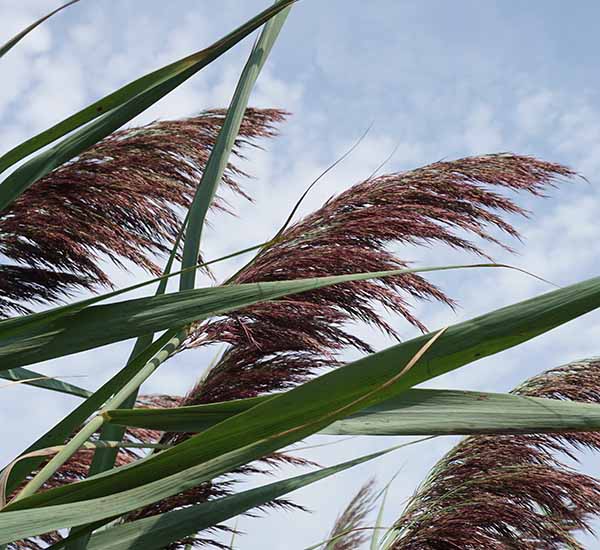
 

European Common Reed (Phragmites)

More on Phragmites…

Phragmites australis is an aggressive plant (originating from Eurasia) that spreads quickly and outcompetes most native species, resulting in a complete takeover of their habitats. You can find this invader across the St. Clair watersheds, from Lake Huron beaches to farm fields and surrounding our wetlands. 

Impacts of this plant include:
  • provides very poor habitat and food sources to local wildlife (including several Species at Risk within our Watershed)
  • because of its high density of stems, there are barriers to ponds, especially for several species at risk
  • decrease in plant biodiversity
  • can change local hydrology (water levels)
  • increased chance of fires because of dead stem stocks
  • can also impact our day-to-day activities
    • decreased road visibility
    • negatively impact agricultural crops
    • negatively impacting recreational activities (boating, swimming, etc.)

Identifying Phragmites…
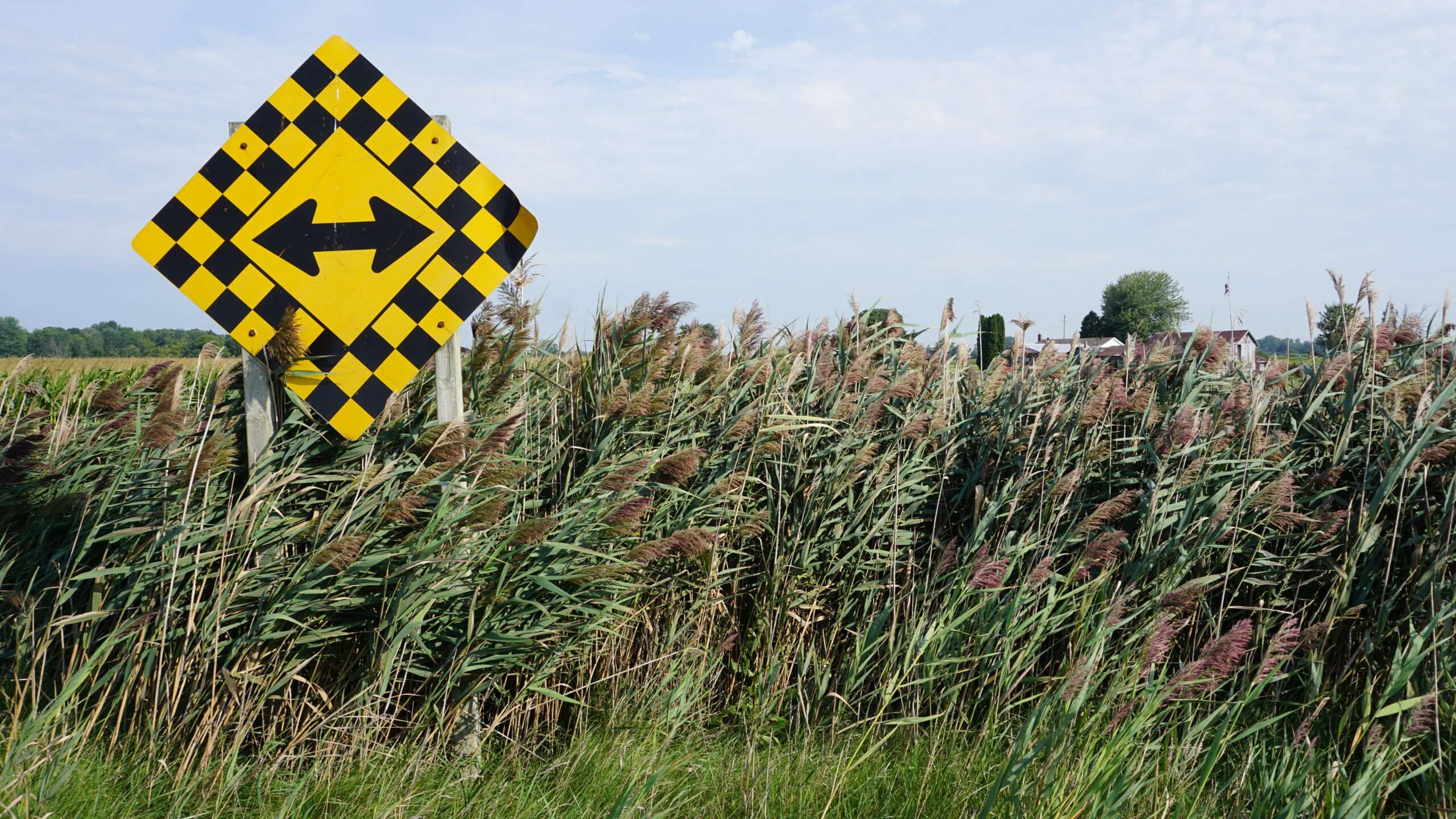
The tricky thing about identifying the invasive Phragmites australis is that there is a very similar native Phragmites (Phragmites americanus). Here are some tips to differentiate the two species:

  • Invasive Phragmites can reach heights of up to 5 metres (15 feet) and grows in stands that are extremely dense with as many as 200 stems per square metre;
  • Native Phragmites are shorter and do not grow in stands as dense; they are more naturally mixed in with other plants.
  • Invasive Phragmites have stems that are tan or beige with blue-green leaves and large, dense seedheads; and
  • Native Phragmites usually have more reddish-brown stems, yellow-green leaves, and smaller, sparser seedheads.

What can I do to prevent the spread of Invasive Phragmites?

The following are tips provided by the Ontario Government (Ontario Government: Phragmites Fact Sheet)

  • Learn how to identify invasive Phragmites and how to avoid accidentally spreading it through its root fragments and seeds. This is especially important if you are planning to do work in an area that contains invasive Phragmites,
  • Do not plant invasive Phragmites. Native Phragmites have the same appearance and do not pose an ecological risk.
  • Gardeners should use only native or non-invasive plants and are encouraged to ask garden centres for plants that are not invasive.
  • Stay on designated trails. Leaving trails or entering areas containing invasive Phragmites can encourage the spread of this plant. When leaving an area containing invasive Phragmites, brush off clothing and clean equipment onsite to avoid the transfer of seeds to new areas. Remove all visible portions of plants and dispose of them in the garbage.
  • Do not compost invasive Phragmites. Both seeds and rhizomes (horizontal plant stems growing underground) can survive and grow in compost.
Check out our latest newsletter! Download

© 2026 · St. Clair Region Conservation Authority - The Sydenham River Watershed

  • Privacy
Prev Next

Press Enter to search · Esc to close